
Chargebacks represent one of the most significant risks for jewelry ecommerce stores. Unlike low-value consumer goods, jewelry orders often range from £300 to several thousand pounds. When a dispute occurs, the financial impact can erase profit from many successful transactions.
For UK jewelry and watch merchants, chargebacks are not only a cost problem. They affect fraud exposure, operational workload, and customer experience. High-value items also attract sophisticated fraud attempts and "friendly fraud" disputes from legitimate buyers.
For UK jewelry and watch merchants, chargebacks are not only a cost problem. They affect fraud exposure, operational workload, and customer experience. High-value items also attract sophisticated fraud attempts and "friendly fraud" disputes from legitimate buyers.
This article explains why chargebacks are particularly common in jewelry ecommerce and outlines practical ways merchants can reduce disputes, prevent fraud, and protect revenue on high-value orders.
Why Jewelry Ecommerce Experiences Higher Chargeback Rates
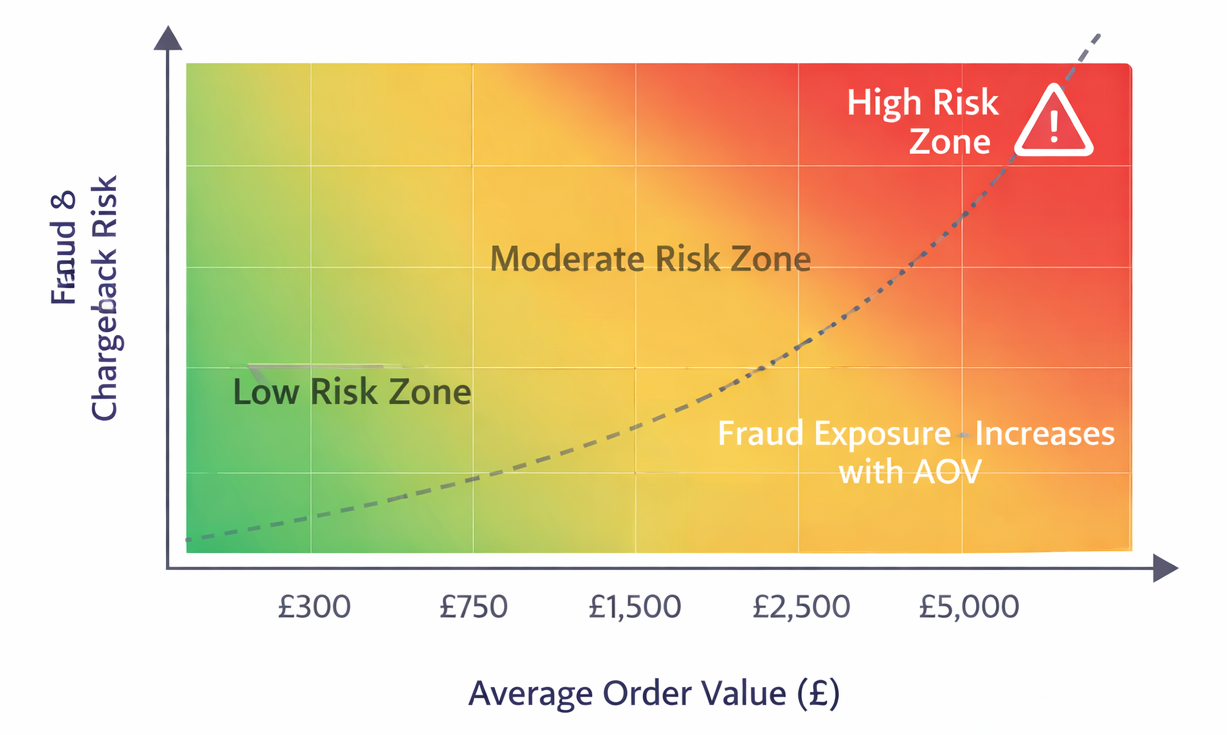
High-value ecommerce categories experience structurally higher dispute risk than standard retail sectors. Jewelry stores are particularly exposed because of three combined factors.
First, order values are significantly higher than typical ecommerce transactions. A single disputed purchase may represent hundreds or thousands of pounds.
Second, jewelry products are portable, resellable, and difficult to trace once delivered. This makes them attractive targets for payment fraud.
Third, many disputes arise from legitimate customers rather than criminals. These "friendly fraud" cases occur when a buyer later challenges a transaction with their bank after receiving the product.
Structural Risk Factors in Jewelry Ecommerce
Common Chargeback Scenarios for Jewelry Stores
Understanding the source of disputes is the first step in reducing them. Jewelry merchants typically encounter several recurring chargeback scenarios.
Typical Jewelry Ecommerce Dispute Types
Stolen Card Transactions
Fraudsters use compromised card details to purchase high-value items. Because jewelry products are valuable and easy to resell, they are frequent targets for card fraud.
Friendly Fraud
Customers sometimes dispute legitimate purchases. Reasons may include forgetting a purchase, household members using the card, or attempting to reverse the payment after receiving the item.
Delivery Disputes
Buyers may claim that an item was not delivered, especially if delivery confirmation is weak or missing.
Product Disagreement
A customer may claim the item received is not as described, triggering a payment dispute instead of a traditional return request.
These disputes are common across luxury ecommerce categories, but jewelry merchants face a particularly high concentration of them because of the product value.
Why High-Value Transactions Attract Fraud
Fraud economics play a central role in jewelry ecommerce risk.
Fraudsters prefer high-value goods because a single successful transaction generates significant profit. Even if only a small percentage of attempts succeed, the payoff is large enough to justify repeated attacks.
Fraud Incentive Breakdown
In card-based payment systems, chargeback mechanisms can also shift the financial burden onto the merchant. When a fraudulent transaction occurs, the merchant often loses both the product and the payment.
This asymmetric risk means that preventing fraud before payment approval is essential for jewelry stores.
Operational Strategies to Reduce Chargebacks
Jewelry merchants can significantly reduce dispute rates through operational improvements.
Chargeback Prevention Checklist
Strong Customer Verification
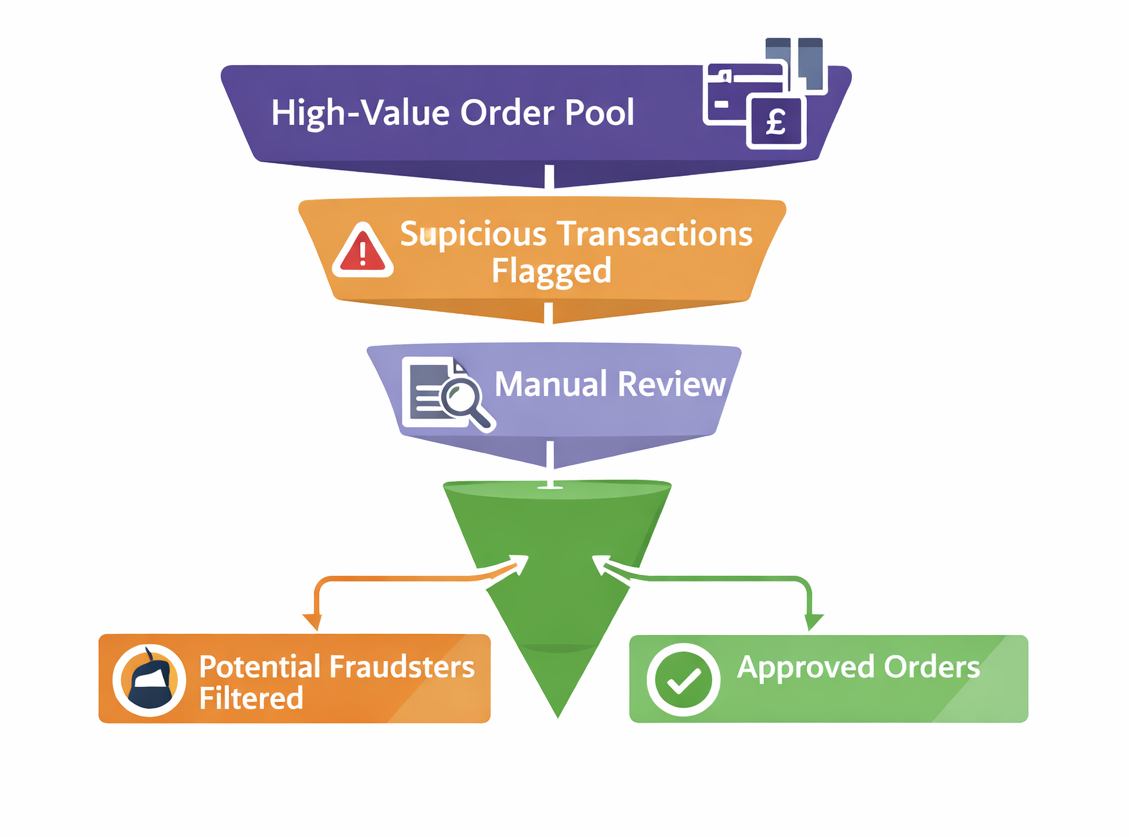
Verify customer identity for high-value orders. Additional verification may include phone confirmation, address checks, or manual order review.
Secure Delivery Methods
Require signature-on-delivery for expensive items and use insured shipping services.
Transparent Product Descriptions
Provide detailed descriptions and high-quality images to avoid disputes based on product expectations.
Clear Refund and Return Policies
Make refund policies easy to understand. Transparent policies reduce the likelihood that customers will escalate issues to their bank.
Fraud Monitoring
Monitor transaction patterns and flag unusual activity, such as unusually large orders or mismatched billing information.
Payment Infrastructure and Chargeback Risk
Different payment methods expose merchants to different dispute mechanisms.
Payment Method Dispute Exposure
Card payments allow customers to request chargebacks through issuing banks. These processes are designed to protect consumers but can create risk for merchants selling high-value products.
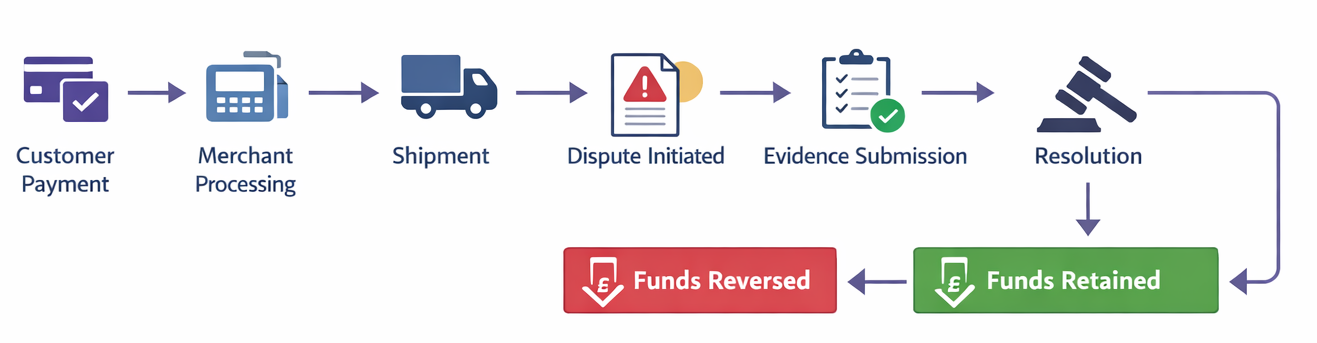
When a chargeback occurs, the merchant must provide evidence to challenge the dispute. Even successful defenses require administrative effort and time.
Repeated chargebacks can also lead to penalties from card networks or payment processors.
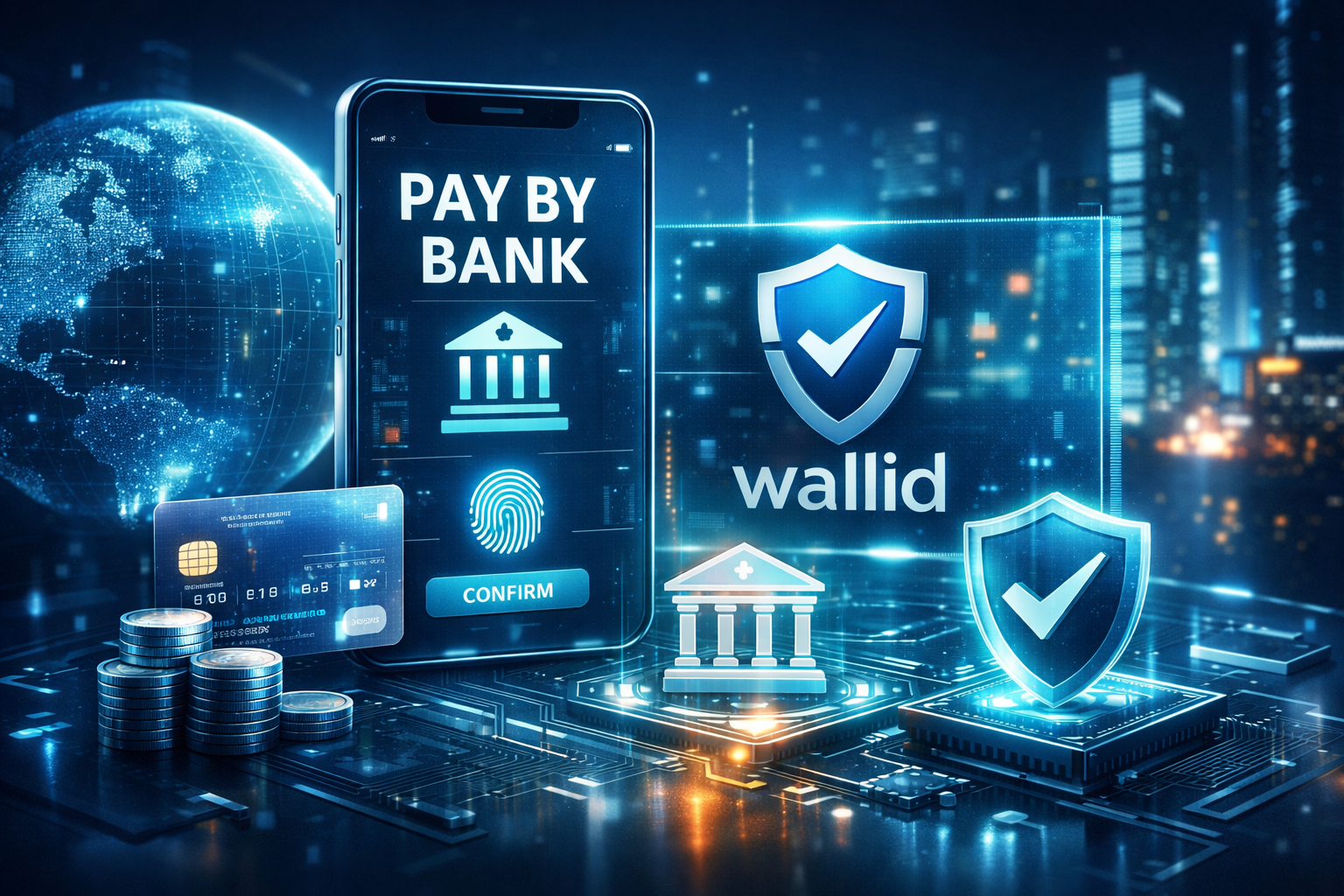
How Direct Bank Payments Reduce Chargeback Exposure
Pay-by-bank payment methods operate differently from traditional card networks.
Instead of processing payments through card rails, customers approve transactions directly through their bank. Because these payments are authorised by the customer in their banking environment, they generally do not rely on the same chargeback mechanisms used in card systems.
Payment Infrastructure Comparison
Chargeback Lifecycle Diagram
Fraud Risk Funnel
Jewelry Merchant Risk Model
Conclusion
Chargebacks are a structural challenge for jewelry ecommerce merchants, particularly when selling high-value products online.
Operational safeguards such as identity verification, secure delivery, and transparent policies help reduce disputes. However, the payment infrastructure used at checkout also plays a critical role in determining how vulnerable a store is to fraud and chargebacks.
For UK jewelry and watch merchants processing expensive transactions, choosing payment methods that minimise dispute exposure can be an important step toward protecting revenue and improving long-term payment stability.

