
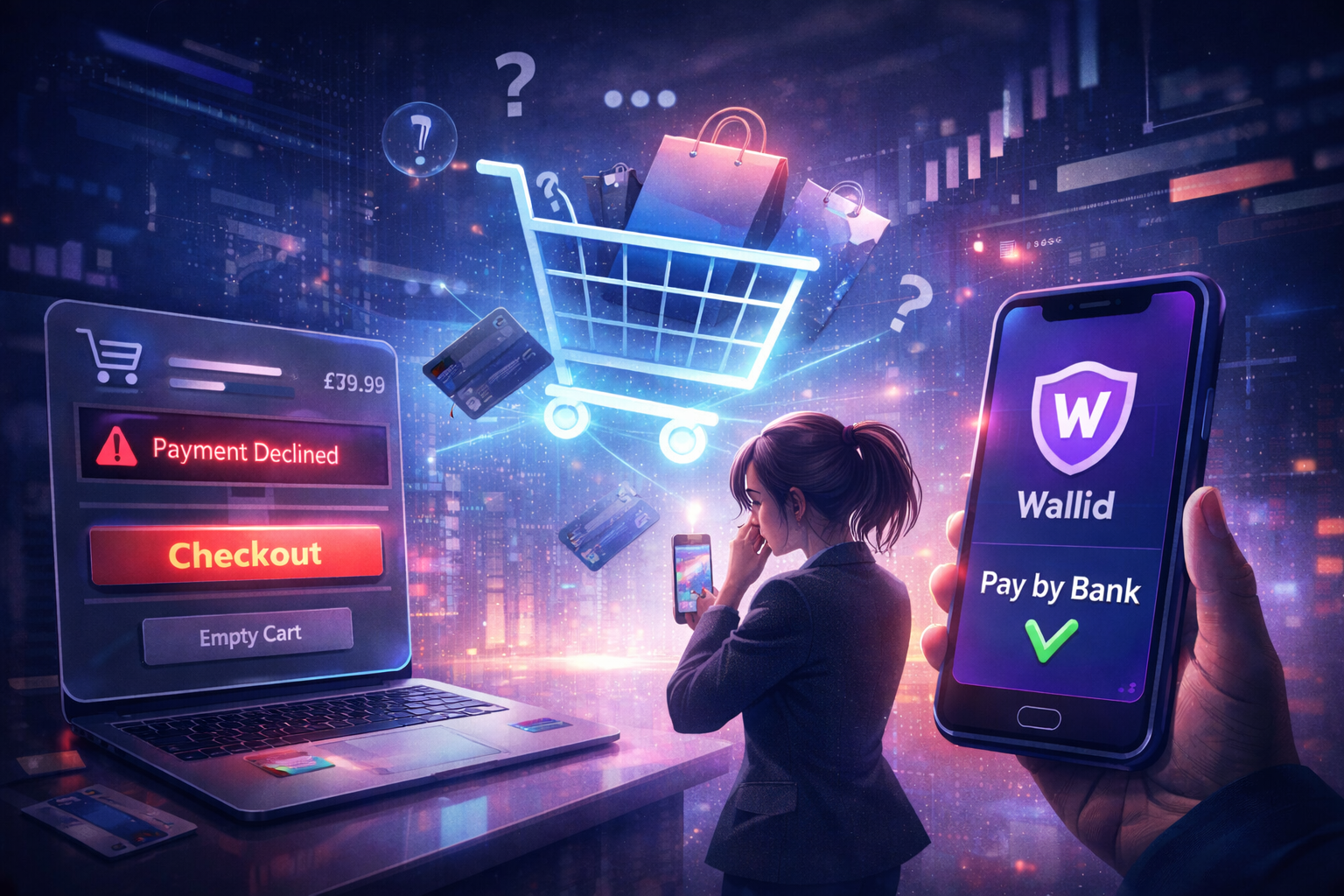
Cart abandonment is one of the most common and most misunderstood problems in WooCommerce stores. For UK merchants, it is often treated as a technical issue or a checkout failure. In reality, most cart abandonment happens before any payment attempt is made.
This article explains why customers abandon their carts in WooCommerce, focusing on decision friction at checkout rather than broken functionality. It clarifies what abandonment is, what it is not, and why payment is the moment where most hesitation occurs.
What cart abandonment actually means in WooCommerce
In WooCommerce, cart abandonment occurs when a shopper adds products to their cart, reaches the checkout, and then leaves without completing the purchase.
Crucially, this happens before any payment attempt is made.
No card is declined. No bank transfer fails. No gateway error occurs. The customer simply decides not to proceed.
This distinction matters because cart abandonment is not a system failure. It is a behavioral outcome.
When abandonment happens (and when it doesn’t)
Cart abandonment typically occurs at one of three moments:
- After reviewing the cart and totals
- During the checkout flow, before choosing a payment method
- At the payment step, just before committing
What all three have in common is choice. The customer still has time to stop and reconsider.
Abandonment does not happen when:
- A card payment is declined
- A bank payment fails
- The checkout page errors or fails to load
Those scenarios are payment failures or checkout issues, not abandonment. Conflating the two leads to incorrect diagnosis and wasted effort.
Why the checkout stage triggers hesitation
Checkout is the moment where browsing becomes a financial commitment.
Up until this point, the customer has explored products, compared options, and added items with little consequence. At checkout, they are asked to:
- Share personal and payment information
- Trust the merchant with their money
- Commit to delivery, refunds, and post-purchase support
For many customers, especially in the UK, this is where uncertainty surfaces.
Hesitation at checkout is rarely emotional indecision alone. It is usually triggered by missing clarity, trust signals, or confidence in the payment process.
Common reasons customers abandon carts in WooCommerce
While every store is different, abandonment patterns are remarkably consistent across WooCommerce sites.
Uncertainty at the payment step
Customers often reach checkout without fully committing to pay. When they are presented with payment options, they pause and reassess whether they trust the process enough to proceed.
If the payment experience feels unfamiliar, unclear, or overly complex, abandonment becomes a low-friction exit.
Unexpected steps or redirects
Any checkout flow that feels longer or more complex than expected can trigger second thoughts. Redirects to third-party pages or sudden changes in the payment experience may cause customers to hesitate, even if nothing is technically wrong.
Lack of trust before paying
Trust is cumulative. By the time a customer reaches checkout, they expect reassurance that:
- The business is legitimate
- The payment method is secure
- Their money will be handled correctly
If these assurances are not obvious, customers often choose not to proceed rather than risk a poor outcome.
Payment method mismatch
Some customers abandon simply because they do not see a payment option they are comfortable using. This is not a checkout failure. It is a decision not to proceed under the available conditions.
Cart abandonment vs payment failures and checkout errors
To avoid misdiagnosing checkout problems, it helps to compare cart abandonment with payment failures and checkout errors side by side.
Understanding these differences is critical. Cart abandonment reflects customer choice, while payment failures and checkout errors indicate problems that occur after the customer has already decided to buy. Abandonment, by contrast, is about why customers choose not to try in the first place.
How payment friction influences abandonment decisions
Payment is the final commitment point in the checkout journey. Any friction here has an outsized impact on abandonment.
Payment friction does not require something to be broken. It can be as subtle as:
- Unfamiliar payment branding
- Lack of clarity about what happens after payment
- Uncertainty about confirmation or refunds
For UK shoppers, trust and familiarity play a significant role in whether they proceed. When the payment step does not align with their expectations, abandonment becomes the safer choice.
Reducing payment friction is not about forcing customers through checkout. It is about removing uncertainty so that proceeding feels reasonable and safe.
Where to go next
If you are trying to understand abandonment at a broader level and how it impacts conversion across your store, the main cart abandonment and conversion guide provides the full strategic context.
If your issue involves declined payments or failed transactions, you should instead review guidance on payment failures, as abandonment occurs earlier in the process.
If your checkout is malfunctioning or erroring, that is a checkout issue rather than abandonment and requires technical troubleshooting.
For merchants looking to reduce decision friction at the payment step, understanding alternative payment approaches that align with UK customer expectations can be a useful next step.

