
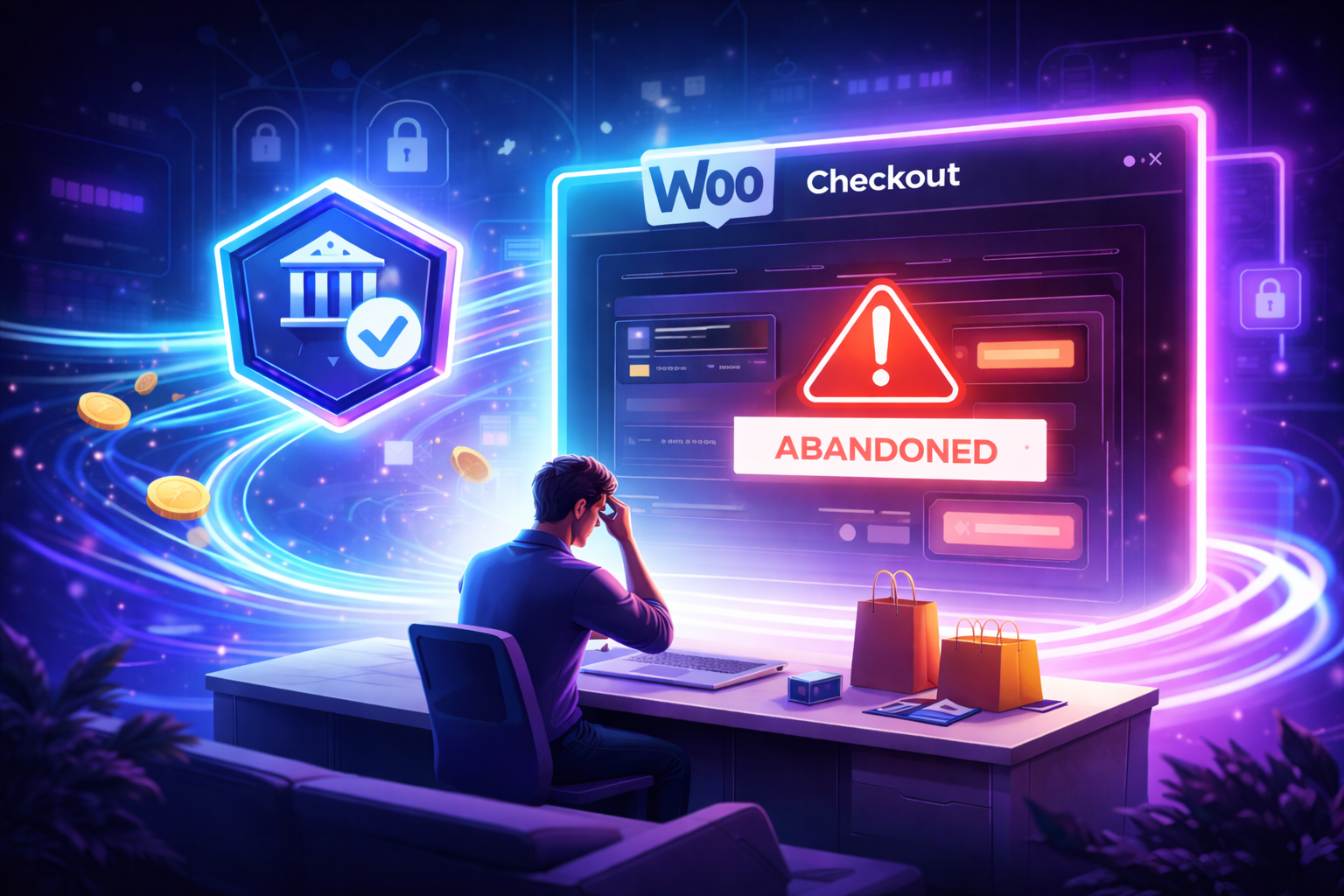
Not all payment issues at checkout are technical failures.
In many WooCommerce stores, the checkout works. The payment gateway loads. No error message appears. No transaction is declined. Yet customers still abandon checkout.
This is not a broken flow, a failed payment, or a system malfunction. It is a customer decision made at the final step.
This article explains why customers abandon checkout even when nothing technically fails. We focus specifically on psychological and procedural payment friction — the subtle signals that create hesitation, uncertainty, or loss of confidence before the customer confirms payment.
In other words, the checkout functions correctly, but conversion drops because customers hesitate and exit before completing payment.
What “Payment Issues at Checkout” Really Means
When merchants search for “payment issues at checkout,” they often expect:
- Error codes
- Gateway outages
- Declined transactions
But there is a quieter category of checkout payment issues:
- The payment form loads
- The card fields appear
- Authentication triggers normally
- No technical error is shown
- The customer simply leaves
This is not a payment failure. It is a conversion breakdown at the final step of checkout.
In these cases, the infrastructure functions correctly, but the friction exists in the customer’s perception rather than in the system itself.
Technical Failure vs. Payment Friction
The checkout works, but customer confidence weakens at the point of commitment.
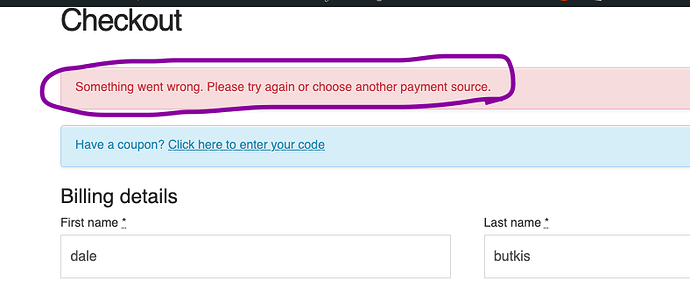
Most WooCommerce stores track technical failures carefully. Far fewer systematically audit psychological friction.
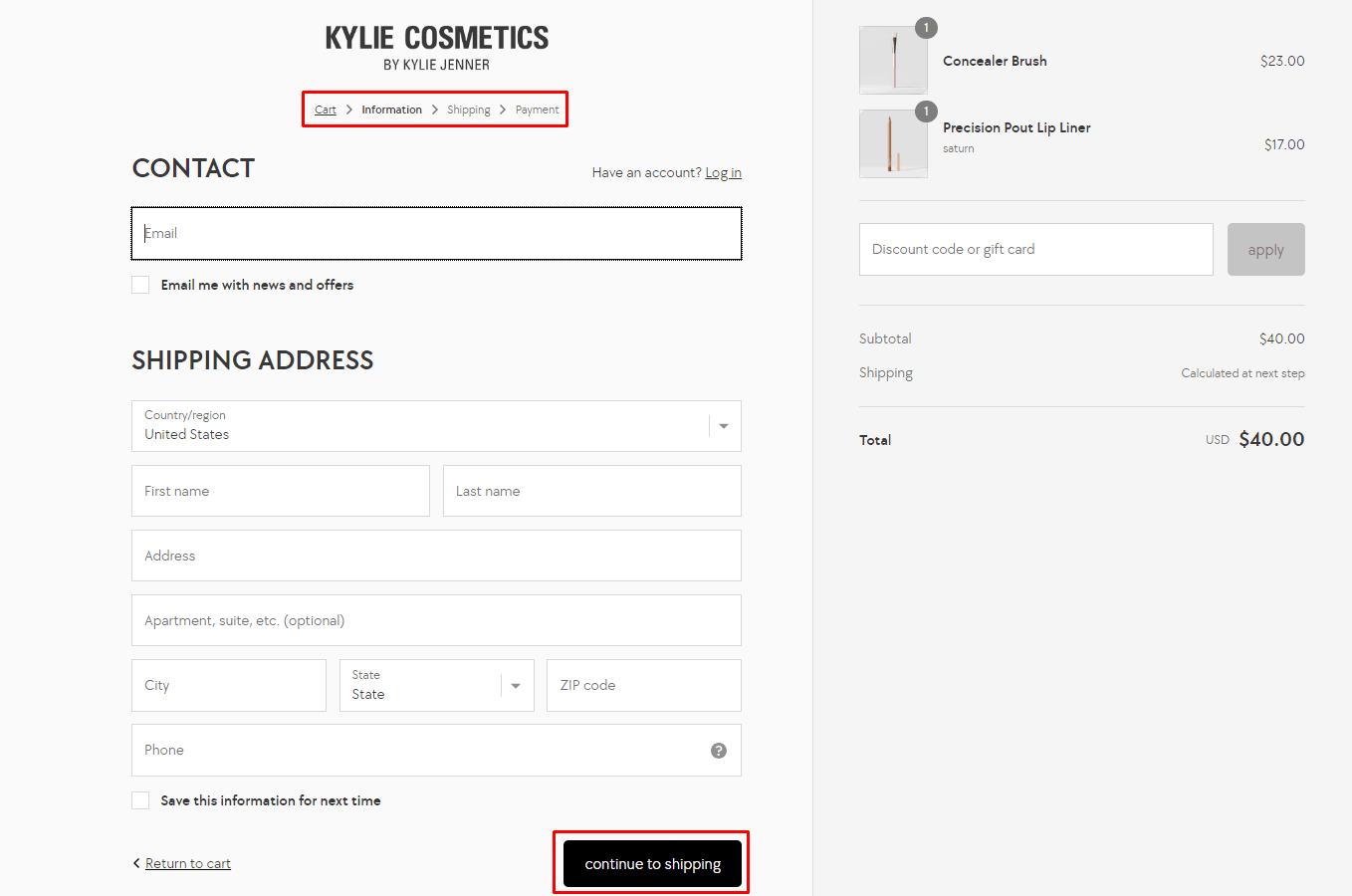
Confusing Payment Steps
One of the most common checkout payment issues is structural complexity.
Examples include:
- Multiple page transitions during payment
- Duplicate confirmation buttons
- Separate billing and payment screens without clear progression
- Payment sections that expand and collapse unpredictably
From the merchant’s perspective, the flow may be logical. From the customer’s perspective, however, it can feel fragmented or unstable.
If a buyer cannot clearly answer:
- Where am I in this process?
- Have I already paid?
- Is this the final confirmation?
Hesitation increases.
Hesitation at the payment stage materially increases the probability of abandonment.
The issue is not functionality. It is clarity.
Unexpected Authentication or Redirects
Strong Customer Authentication and bank verification steps are standard in modern payments.
However, unexpected transitions can trigger abandonment.
Examples:
- Redirecting to an external domain without prior warning
- A full-screen bank login appearing abruptly
- A new browser tab opening
- A noticeable delay before authentication appears
Even when legitimate, these steps introduce perceived risk.
Customers may think:
- “Is this secure?”
- “Did something go wrong?”
- “Why am I leaving the store?”
If the experience feels unfamiliar or abrupt, abandonment can occur even though the payment process is functioning correctly.
This is a payment conversion issue — not a gateway failure.
Uncertainty Before Confirming Payment
The final “Place Order” or “Pay Now” moment carries psychological weight.
Common abandonment triggers at this stage include:
- Unclear refund policies
- Doubts about delivery timelines
- Hidden fees discovered late
- Ambiguous currency presentation
- Lack of visible trust signals
No error occurs, but the customer’s internal risk calculation shifts.
At checkout, perceived risk amplifies sensitivity. Small doubts become decisive.
If certainty is not reinforced, the customer exits voluntarily.
Payment Method Mismatch
Another overlooked cause of customers abandoning checkout is misalignment between payment methods and customer expectations.
Examples:
- Limited local payment options
- Card-only checkout for customers who prefer bank-based payments
- No visible wallet options on mobile
Even if cards technically work, some customers prefer alternative payment methods for trust, control, or cost transparency reasons.
If their preferred method is unavailable, they may leave rather than switch.
This is not a declined payment. It is a strategic conversion gap.
Perceived Security Gaps
Trust is fragile at checkout.
Customers evaluate:
- HTTPS presence
- Recognisable payment logos
- Professional layout
- Absence of visual glitches
Even minor UI inconsistencies — spacing shifts, font mismatches, slow loading — can signal instability.
The checkout may work technically, but perceived professionalism still affects payment completion.
Conversion psychology consistently shows that ambiguity increases risk perception. At the payment stage, elevated risk perception directly impacts behaviour.
Why These Payment Issues Are Harder to Detect
Technical failures produce logs and error codes.
Payment friction produces silence.
Analytics may show:
- High drop-off at payment step
- Normal gateway approval rates
- No spike in error responses
From a systems perspective, everything appears healthy. From a behavioural perspective, however, confidence may be eroding.
This is why payment conversion issues often persist unnoticed.
How to Diagnose Soft Checkout Payment Issues
To identify psychological friction, focus on behavioural signals:
- Drop-off clustering at the final payment step
- High abandonment after authentication redirects
- Strong mobile vs desktop divergence
- Significant abandonment when specific payment methods are selected
Unlike failures, these issues require flow analysis rather than error monitoring.
Session replays, funnel segmentation, and payment-method-specific abandonment tracking typically provide the necessary clarity.
Where Pay-by-Bank Fits in This Discussion
Certain payment flows reduce friction by:
- Minimising redirects
- Reducing manual card entry
- Offering direct bank confirmation
- Aligning with customer trust preferences
In the UK market in particular, bank-based checkout options can reduce certain authentication-related uncertainty by keeping the flow closer to familiar banking environments.
This is not a universal solution. Cards and wallets remain critical for fast consumer checkout, but payment mix design directly influences overall friction exposure.