

Furniture ecommerce operates under a very different economic model than most online stores. When your average order value sits between £400 and £3,000, payment infrastructure is no longer just a technical decision — it directly impacts margin, cash flow, and operational risk.
Most WooCommerce stores default to card-based payments like Stripe without questioning whether the fee structure and dispute model actually fit high-value, logistics-heavy products like furniture.
Most WooCommerce stores default to card-based payments like Stripe without questioning whether the fee structure and dispute model actually fit high-value, logistics-heavy products like furniture.
This article breaks down the optimal payment setup for UK furniture stores on WooCommerce — with a focus on transaction fees, refunds, disputes, and settlement timing.
Why payment setup matters more for furniture ecommerce

Furniture stores operate with three structural constraints:
- High average order value (AOV)
- High shipping and logistics costs
- High refund and dispute complexity
This combination amplifies every weakness in traditional card payments.
A 1.5%–2.9% transaction fee might be manageable on a £40 order. On a £1,200 order, that becomes a £18–£35 cost per transaction — before considering refunds, disputes, or failed deliveries.
At scale, this is not a payment processing detail — it is a margin drain.
Stripe fees for furniture stores on WooCommerce
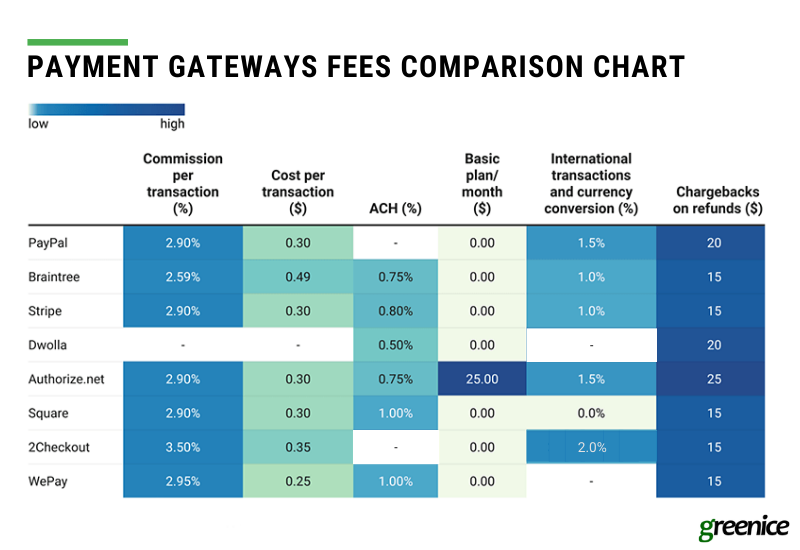
Stripe is the default payment gateway for many WooCommerce stores, but its pricing model is percentage-based.
Typical UK Stripe pricing:
- 1.5% + £0.20 for UK cards
- 2.5%–3.25% for international cards
For furniture stores, this creates a disproportionate cost structure:
- £800 order → ~£12 fee
- £1,500 order → ~£22.50 fee
- £3,000 order → ~£45 fee
These fees scale linearly with order value, but your operational costs (warehouse, picking, delivery coordination) do not scale in the same way.
This creates margin compression as AOV increases.
The hidden cost of refunds and partial refunds
Furniture ecommerce has one of the highest rates of partial refunds due to:
- Damaged items during delivery
- Assembly issues
- Customer dissatisfaction with size or finish
With Stripe, fees are typically not returned when you issue a refund.
Example:
- Customer pays £1,200
- Stripe fee (~1.5%) = £18
- You issue a full refund → you lose £18
Now add logistics costs (collection, inspection, restocking), and a single return can become a significant loss.
Partial refunds make this even more complex, as fees are still retained while revenue is reduced.
Delivery disputes and chargeback exposure
Furniture stores are particularly exposed to disputes such as:
- “Item not as described”
- “Item damaged on arrival”
- “Item not received” (despite delivery issues)
Card payments allow customers to initiate chargebacks through their bank.
For merchants, this introduces:
- £15–£25 chargeback fees
- Lost revenue during dispute resolution
- High operational overhead to provide evidence
- Increased risk of account penalties if dispute rates rise
In high-AOV categories, a single dispute can represent a £1,000+ revenue risk.
Settlement speed and cash flow impact
Furniture businesses often operate with longer fulfillment cycles:
- Made-to-order or backordered items
- Scheduled delivery windows
- Third-party logistics coordination
Card processors like Stripe typically settle funds on a rolling basis (e.g., 2–7 days), sometimes longer for new or high-risk accounts.
This creates a mismatch:
- You incur costs immediately (inventory, suppliers, logistics)
- You receive funds with delay
For high-value orders, this delay can significantly impact working capital.
What a high-AOV optimized WooCommerce payment stack looks like
An optimized payment setup for furniture stores should prioritize:
- Lower variable transaction fees
- Reduced exposure to chargebacks
- Better refund economics
- Faster and more predictable settlement
In practice, this means moving away from a card-only setup and introducing alternative payment rails that are better aligned with high-value transactions.
Why Pay-by-Bank is structurally better for furniture stores
Pay-by-Bank (bank-to-bank payments) changes the economic model entirely.
Instead of percentage-based fees, it typically operates on a low fixed-cost or near-zero variable fee structure.
Key advantages for furniture merchants:
1. Lower transaction costs
A £1,500 order no longer incurs a £20–£40 fee.
This directly improves margin on every sale.
2. No chargebacks
Pay-by-Bank payments are authorised directly by the customer via their banking app.
This removes traditional card chargebacks and significantly reduces dispute risk.
3. Better refund control
Refunds are handled directly by the merchant, without losing processing fees.
This is particularly valuable for partial refunds.
4. Faster settlement
Funds are typically received instantly or within hours, improving cash flow.
For businesses managing inventory and logistics, this is a critical advantage.
Recommended payment setup for WooCommerce furniture merchants

For most UK furniture stores, the optimal setup is hybrid:
- Keep card payments (e.g., Stripe) for:
- Customer familiarity
- International transactions
- Introduce Pay-by-Bank as a primary option for:
- High-value orders
- Domestic UK customers
This allows you to:
- Capture customers who prefer cards
- Shift a significant portion of volume to lower-cost payment methods
Over time, many merchants see Pay-by-Bank become the dominant method for large orders.
Final takeaway
For furniture ecommerce, payment infrastructure is a core part of your unit economics.
Relying solely on card payments introduces avoidable costs and risks that scale with your order value.
A hybrid setup — with Pay-by-Bank as a primary method — aligns your payment stack with the realities of high-AOV, logistics-heavy ecommerce.
This is not just an optimization. It is a structural advantage.

