

Payment settlement time for furniture stores in the UK typically ranges from 2 to 7 business days when using card processors. Faster alternatives using bank-to-bank payments can reduce this to minutes or hours.
Furniture ecommerce operates on high order values (£400–£3,000+), making settlement speed a critical driver of cash flow, delivery execution, and margin stability.
This guide explains furniture store settlement times in the UK, including typical payout ranges, why delays occur, and how faster payment methods can reduce settlement from days to minutes.
What Is Payment Settlement Time?
Payment settlement time is the period between a completed customer transaction and when funds become available in your business bank account.
In furniture ecommerce, settlement time directly impacts:
- Inventory purchasing cycles
- Delivery scheduling and logistics coordination
- Refund handling and dispute exposure
- Working capital availability
Furniture Store Settlement Times in the UK
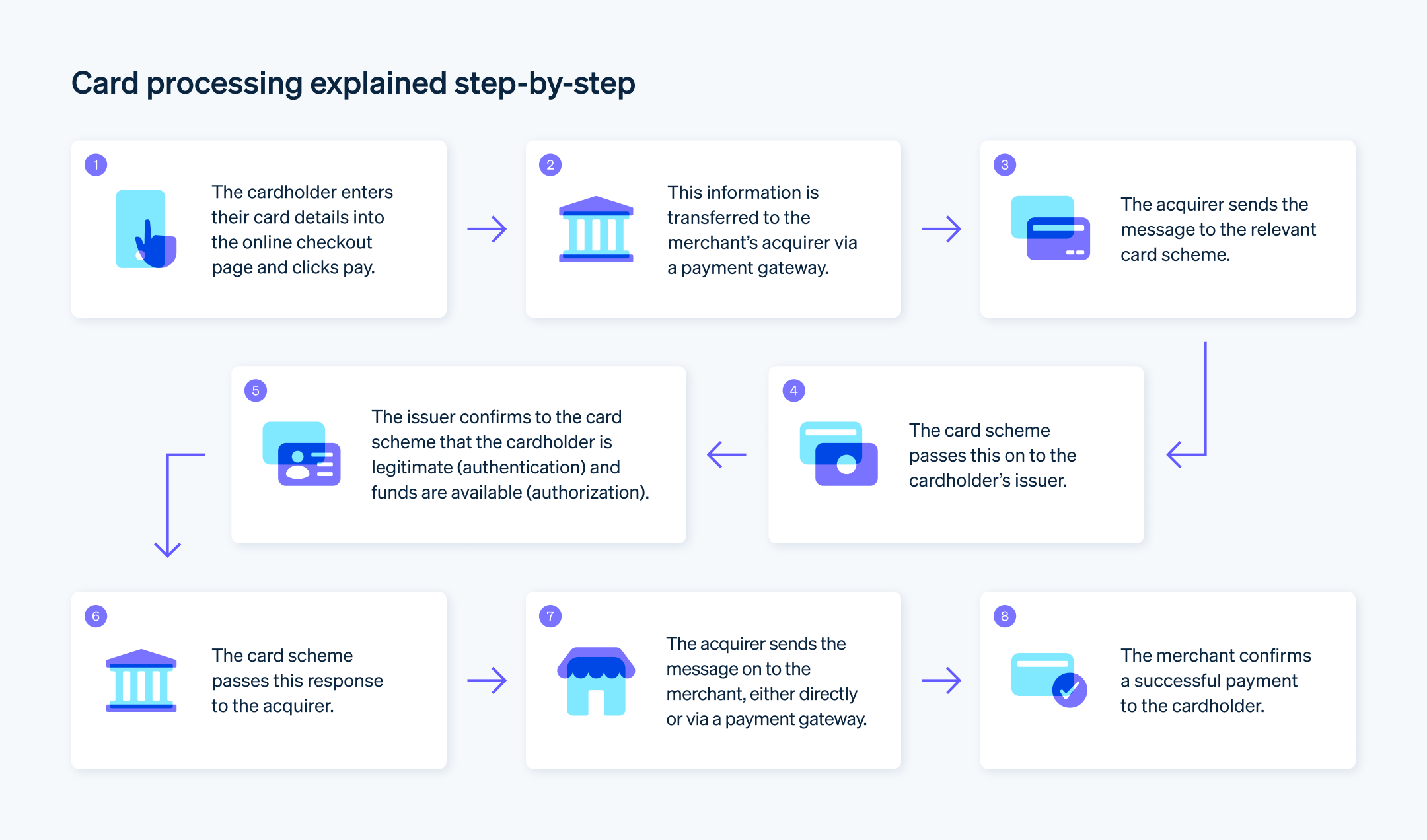
Typical ranges:
- Card payments: 2–7 business days
- High-value transactions: Often longer due to risk checks
- Bank holidays/weekends: Add additional delays
- Bank-to-bank payments: Minutes to hours
Key takeaway: The higher the order value, the more likely settlement delays increase under card-based systems.
Why Settlement Time Matters More for Furniture Ecommerce

High Average Order Value (AOV)
Large transaction sizes amplify the financial impact of delays. A few pending orders can represent significant locked capital.
Logistics Dependency
Furniture fulfilment requires:
- Scheduled delivery windows
- Warehouse coordination
- Third-party logistics providers
Delayed settlement creates a mismatch between payment confirmation and fulfilment execution.
Dispute and Refund Exposure
Furniture transactions carry elevated risk of:
- "Item not as described" claims
- Delivery disputes
- Partial refunds due to damage
Longer settlement windows increase exposure before funds are secured.
The Economic Impact of Slow Settlement
Working Capital Constraints
Funds in transit cannot be used for:
- Inventory restocking
- Supplier payments
- Marketing spend
Operational Delays
Cash flow lag can slow down:
- Order processing
- Delivery confirmation
- Customer support resolution
Margin Erosion
To compensate for delays, merchants often rely on:
- Credit lines
- Revenue-based financing
These introduce additional costs that reduce net margins.
Faster Settlement in Ecommerce: What It Actually Means
Faster settlement refers to reducing the time between payment and fund availability from days to hours or minutes.
In the UK, this is enabled by real-time bank payment infrastructure rather than traditional card networks.
Key distinction:
- Card payments: Multi-step clearing and settlement process
- Bank payments: Direct account-to-account transfer
Pay-by-Bank vs Card Payments (Settlement Comparison)
Insight: For high-AOV furniture orders, settlement speed has a direct impact on operational efficiency—not just finance.
When Faster Settlement Becomes a Competitive Advantage
Faster Inventory Turnover
Immediate access to funds allows merchants to restock faster and reduce stockouts.
Accelerated Delivery Scheduling
Orders can move to fulfilment immediately without waiting for funds to clear.
Reduced Financial Risk Window
Shorter settlement time reduces exposure to disputes before funds are secured.
Stronger Supplier Relationships
Faster payments improve reliability with manufacturers and logistics partners.
How to Evaluate Settlement Speed for Your Store
When choosing a payment setup, furniture merchants should prioritise:
- Settlement time relative to order value
- Cost structure under high AOV conditions
- Exposure to disputes and refunds
- Alignment with delivery and logistics timelines
Decision rule: If settlement delays impact fulfilment or inventory, payment infrastructure is a constraint—not just a backend system.

